


EMAIL 1
Copy/ Paste this email into a browser and send it to parents.
Subject Line: Navigating Difficult Issues
Dear Parents,
More than likely, you are moving at warp speed through life, and there is little time to step back, take a breath, or realize what is going on with your kids. We all know that there is so much “coming at” them, and they often have no idea how to process what they are thinking or what they believe. The world is a complex place with complex issues, and there are lots of landmines for us to step in as we seek to teach and lead our kids. Well, there is hope, and we want to encourage you along the way.
This month, we are going to provide you with some resources targeted at helping you think through how you will help your children navigate some of the difficult issues they are facing. The way we interact with our kids as they sort out what they believe really matters, and we have some tools for you to both think through how you are leading as well as talk to your kids about it all. Our Online Parenting Class Video and the Toolbox Resource entitled Hope In The Midst Of Trouble are designed to help you provide your child with reminders of God’s goodness, His faithfulness, and His promises. They are helpful resources you can use to open ongoing conversations with your kid(s)—reminding them of God’s character, the hope He offers, and that even if they feel that God is far away, the truth of His Word is everlasting.
To watch this month’s Online Parenting Class video, click the link below.
[ INSERT LINK TO ONLINE PARENTING CLASS VIDEO ]
Cheering you on,
[INSERT LEADER’S SIGNATURE HERE]
EMAIL 2
Copy/ Paste this email into a browser and send it to parents.
Subject Line: Parenting Through The Chaos
Dear Parents,
As you think about all the things your family is having to deal with on a daily basis, it can be a little overwhelming. You have to get up, get ready, get everyone else ready, get out the door to school and work, get everyone to their afternoon and evening activities, push or bribe your child to finish their homework, and maybe (if you are lucky) you get to eat somewhere along the way. Not only do you have to navigate your normal schedules, but you also have to navigate and help your child learn to navigate the increasingly difficult issues that exist in the world. Your kid(s) are being bombarded with new and increasingly difficult challenges or decisions about things they have no way to process. As a parent, you probably already feel like you are at a loss for what to do, where to help, and how to engage.
Dealing with difficult issues is not new in the world, but it does seem like they are coming faster and with greater intensity than they once did. The good news is that when it comes to helping a child think through and deal with the difficult issues of life, there are some practical things that you can do to help them develop the solid spiritual foundation that we all want them to have. Much of what you can do revolves around building real relationships, having open/honest conversations, and spending time in prayer. This can take a lot of work and can even be a little intimidating for many, but it’s so worth it because just these simple steps can have more of an impact than most parents realize. This month’s resources, like the blog article “Heartache and Hope,” will offer you some encouragement and practical ideas on what you can do to help your kid(s) navigate this chaotic world. And if you haven’t watched this month’s encouraging Online Parenting Class video, you still have time. To read the blog article or watch the video, click on the links below.
[ INSERT LINK TO M2P PARENTING BLOG ARTICLE ]
[ INSERT LINK TO M2P ONLINE PARENTING CLASS VIDEO ]
We are in this together! Let us know if there is ever anything we can do for you or your family.
Praying for you as you lead at home,
[INSERT LEADER’S SIGNATURE HERE]



M2P October KIDS Parent Video Script
In his book, War in the Wilderness: Fight for Your Family When Life Isn’t as It Should Be, Brian Haynes says, “Between the gardens, Eden (Paradise) and New Jerusalem (Peace), there is only the desert; a biblical metaphor for life and the place we are loving and leading our family, our spouse, our children, and our grandchildren.”
Our desire is to enjoy peace in our family, and that’s God’s heart for us, too. We certainly wouldn’t choose to walk through the wilderness where difficulty and suffering abound. But the reality of a world broken by sin, our own and that of others, is that life will be hard. In John 16:33, Jesus said, “In this world you will have trouble.” And we can certainly identify trouble wherever we turn and feel it deeply when it arises in our own lives, especially when it has to do with our children.
In the last decade or so, culture has planted some giant landmines for parents to navigate. In addition to conversations about divorce, illness, death, and others that children have brought up for a long time, we now face issues like sexual orientation, gender dysphoria, body shaming, self-harm, depression, and anxiety. At the core of these ever-expanding topics is identity. The Enemy wants nothing more than to interfere with a child’s thinking and use these cultural norms to twist God’s truth about who and whose they are.
As your child grows, there are several tools you can employ to explain and counteract culture’s messages.
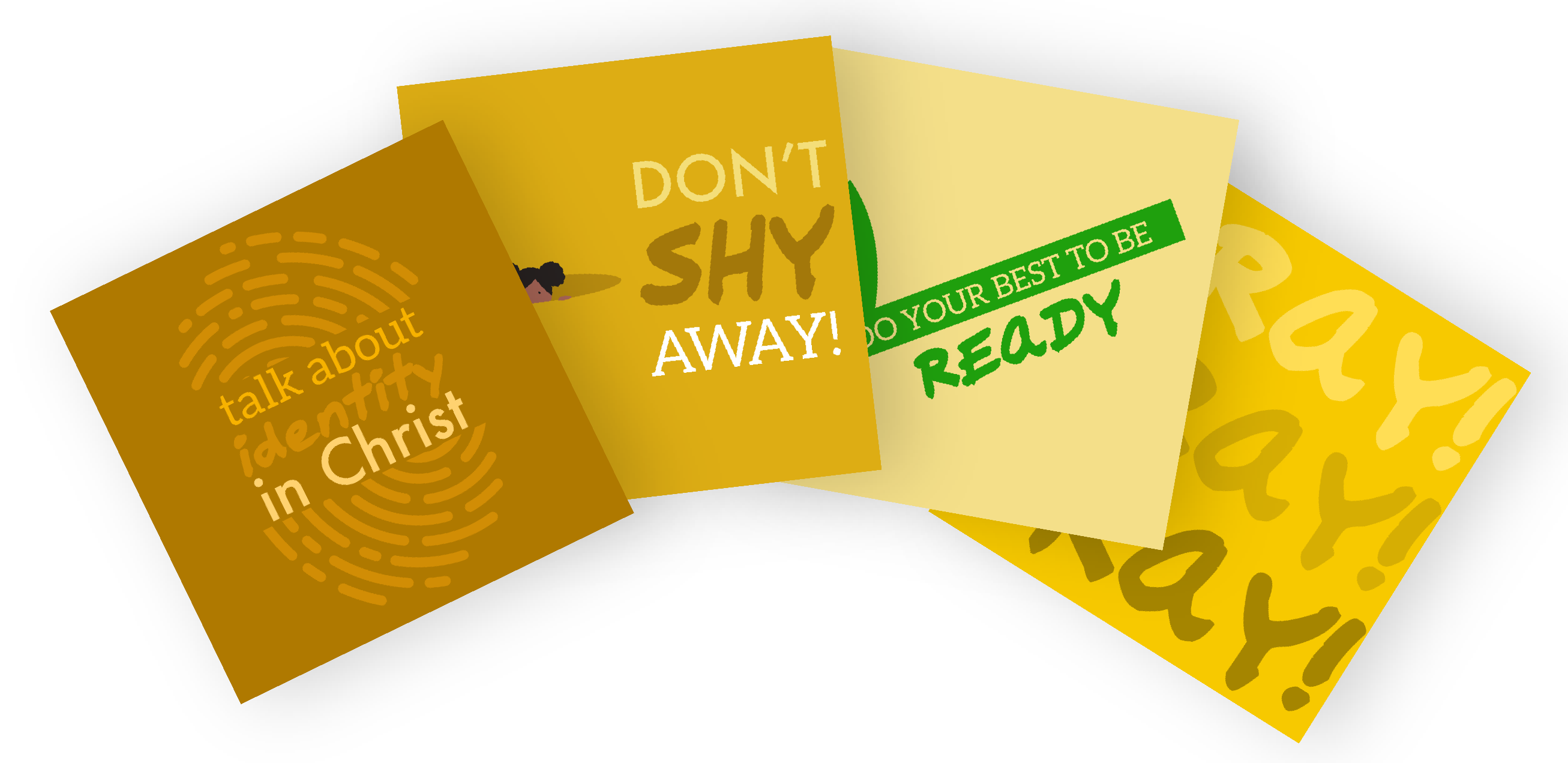
Continually talk to your children about their identity in Christ. Things like God created you, He knew you before you were born, He loves you, He chose you, and you are made in His image. Use scripture, like Genesis 1:27, Psalm 139:13-14, and Ephesians 2:10, to show them God’s words about who they are. As they get older, help them memorize those verses.
Another tool to develop is to embrace the idea that no topic is taboo in your home. You want your children to get their information about the world from you. Children are inquisitive. They notice things. They ask questions. They want answers. It’s best to answer your child in an age-appropriate way. A 4-year-old doesn’t need the same kind or as much information you would share with a 10-year-old. When tough issues come up, don’t shy away from uncomfortable conversations. You want them to learn they can come to you with anything long before they enter their adolescent years.
Something else you can do is to be knowledgeable about tough topics and what God has to say about them. If your child puts you on the spot or you feel like the time is right to bring something up, you don’t want to feel like you have no idea what to say. Seek other trusted Christians for resources like books or articles to help give you more insight. Your children’s pastor, youth pastor, or a Christian counselor would be great people to ask for information. If your child asks a question you aren’t yet prepared to answer or they’re not ready for the information, it’s okay to tell him or her you’ll come back with an answer later. I will answer you later or will tell you when you’re a little older.
The last but most important tool you have is prayer. Your kids are being inundated with these weighty issues at younger and younger ages. It can leave you feeling overwhelmed, heart aching, and mind worried about your family being affected personally in these areas. When these thoughts and feelings rise up, pray continually.
The Lord knows the burdens you carry for your children, and He wants you to leave them in His capable hands. And if you can’t find the words to pray, the Bible says to ask the Holy Spirit to intercede for you.
I want to leave you with an encouraging truth. John 16:33, in its entirety, says, “I have told you these things, so that in me you may have peace. In this world, you will have trouble. But take heart! I have overcome the world.” Jesus is our peace, strength, and victory.